
Meet Gouache: The “Cool Middle Child” of the Paint World
If you’ve spent any time wandering the aisles here at Artzmania, you’ve probably seen those little tubes labeled “Gouache” and thought, “What’s that?”
Don’t worry, you aren’t alone. Gouache (pronounced gwash, rhymes with squash) is one of the most misunderstood mediums in the art store. It’s often overshadowed by its famous siblings, Watercolour and Acrylic, but it’s actually the secret weapon of professional illustrators and weekend hobbyists alike.
Let’s break down the family tree and see where this matte-finish marvel actually fits in.
The Family Reunion: Who’s Who?
To understand Gouache, you have to look at the two mediums it lives between. Think of it as the perfect “hybrid” paint.
1. The Airy Older Sister: Watercolour
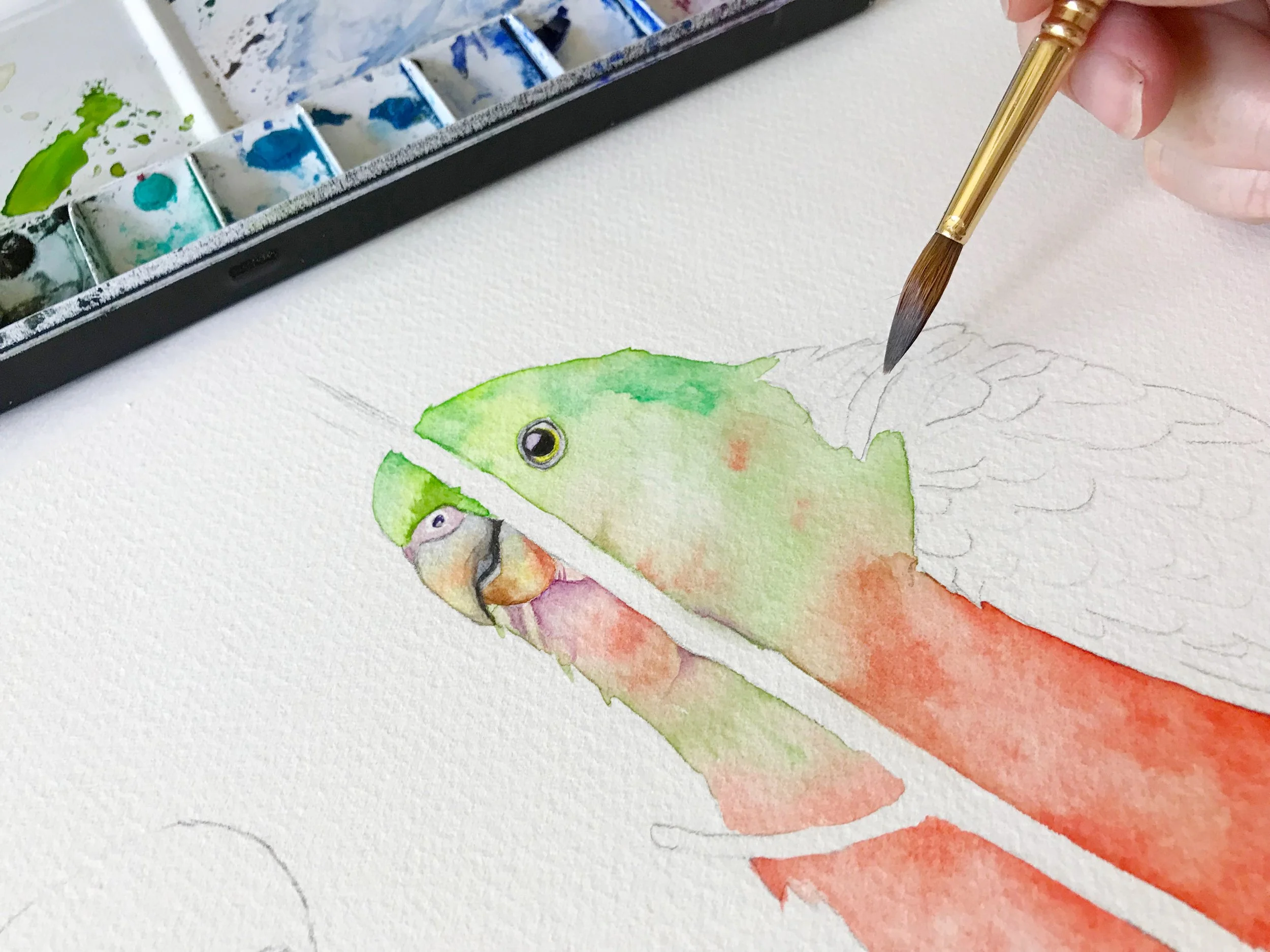
Watercolour is all about transparency. You use the white of the paper to get your light colours, and you layer thin washes to build depth. Once it’s down, it’s light, breezy, and a bit unpredictable.
Vibe: Ethereal, flowing, and “I meant to do that” splatters.
2. The Bold Overachiever: Acrylic
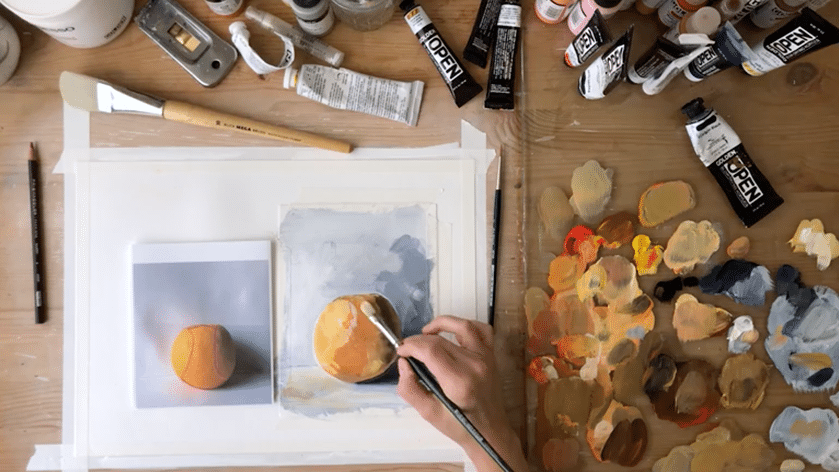
Acrylic is permanent. It’s made with a plastic binder, so once it dries, it’s a rockstar, it isn’t going anywhere. You can layer light colours over dark colours easily because it’s totally opaque.
Vibe: Vibrant, tough, and “don’t get me on your favourite shirt.”
3. The Quirky Middle Child: Gouache
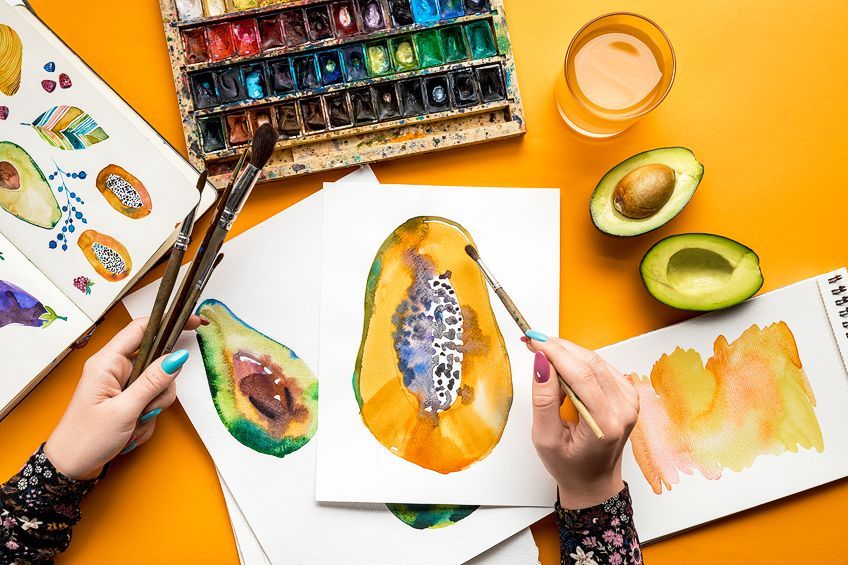
Gouache is essentially “Opaque Watercolour.” It uses the same pigment and binder as watercolour, but the particles are larger and more tightly packed.
The Result: You get the ease of watercolour (just add water!) but the heavy-duty coverage of acrylic. It dries to a stunning, velvety matte finish that looks incredible in photos and scans.
Why should you try it?
The absolute best thing about Gouache? It’s forgiving. If you make a mistake with watercolour, you usually have to start over or “incorporate” the blooper. With Gouache, you can just wait two minutes for the layer to dry and paint right over it. Since it’s re-wettable, you can also blend colours directly on the paper long after you’ve put them down.
It’s the medium of choice for Disney concept artists, botanical illustrators, and anyone who loves bold colours but hates the “plastic” feel of dried acrylic.